Canopy
A living interface for the autonomous systems helping people discover, understand, and preserve rainforest biodiversity.
Making biodiversity legible
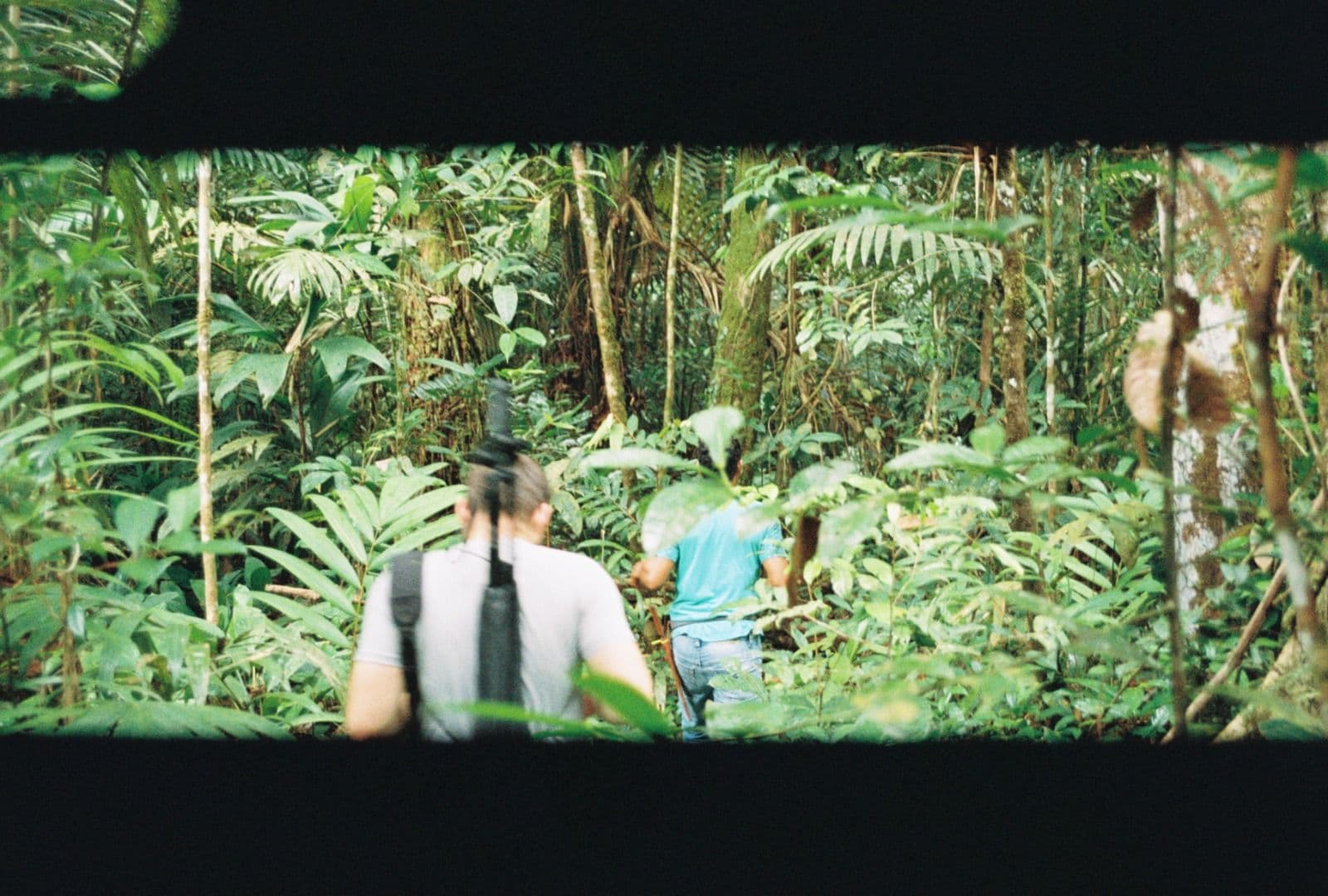
Rainforests hold immense biological knowledge, yet conventional field surveys can be slow, expensive, and difficult to repeat at the scale conservation requires. The XPRIZE Rainforest challenge asked teams to compress that work from months into hours.
Canopy is grounded in the same ambition: connect autonomous field systems, biodiversity signals, and human expertise so changes in living ecosystems can be understood while there is still time to act.
A faster field loop
The competition centered on technologies that could operate with minimal human intervention, rapidly survey tropical environments, and return useful biodiversity data in near real time.
That creates a tighter loop between observation and conservation. Instead of treating a forest survey as a static report, Canopy imagines an evolving system in which new evidence continuously updates what communities and researchers know.
- Deploy autonomous sensing systems
- Combine acoustic, visual, and genetic evidence
- Turn field observations into decision-ready data
From signals to species
A rainforest does not arrive as a tidy dataset. It arrives as overlapping sound, imagery, environmental DNA, insect samples, weather, movement, and location. Useful intelligence comes from combining these partial signals without losing their provenance.
The interface is designed around that plurality. The globe represents a distributed network of field sites and collaborators rather than a single centralized sensor.
What the prize proved
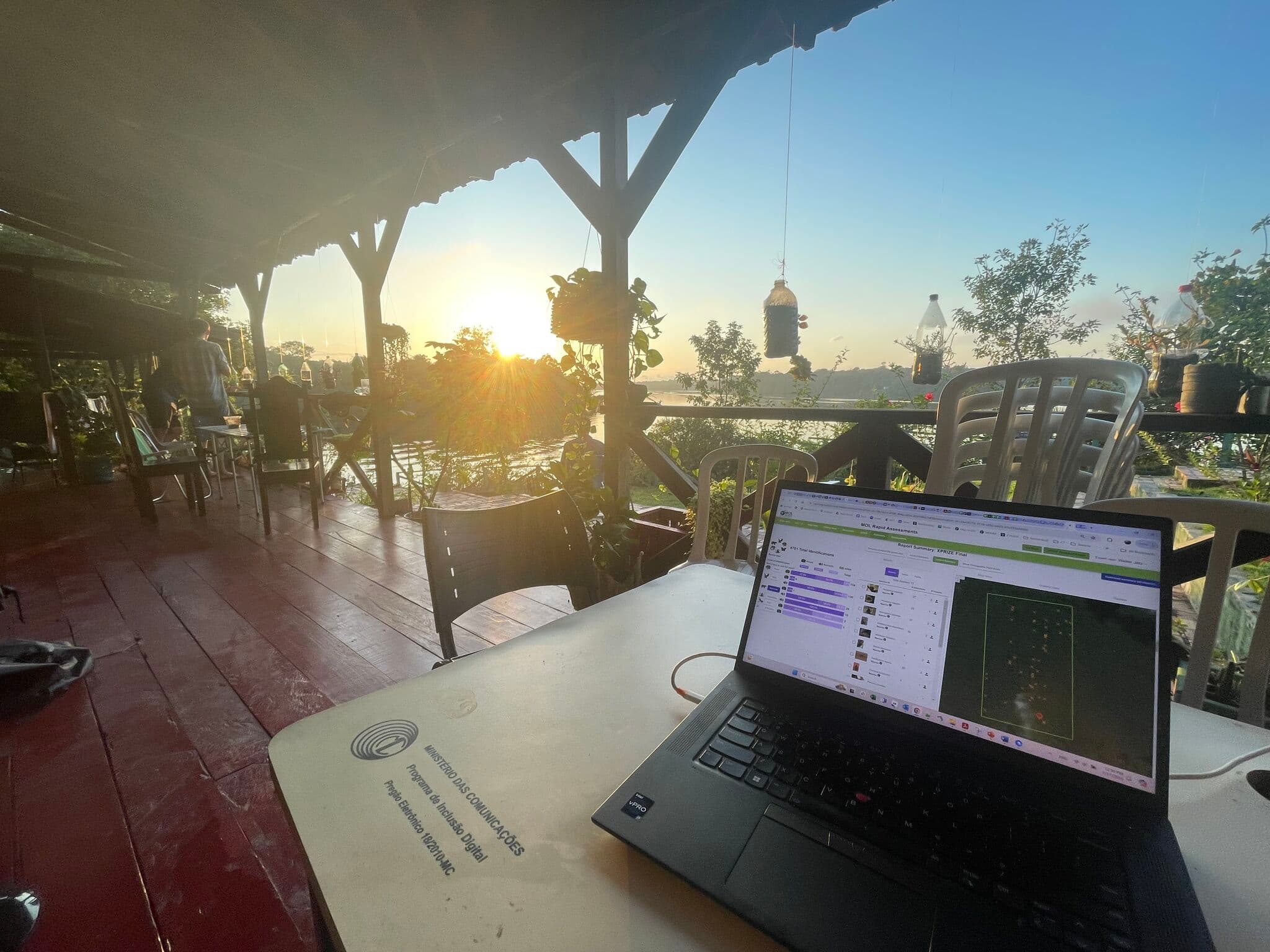
The winning system used drone-deployed tools to capture bioacoustics, insect imagery, and environmental DNA. In a 24-hour final, it mapped 250 species and 700 unique taxa—evidence that rapid, technology-assisted biodiversity assessment can work in demanding field conditions.
Across the competition, teams invested more than four million hours and filed 126 patents. The result was not one device, but a broader technical foundation for faster ecological discovery.
Technology in service of stewardship
The objective is not observation for its own sake. Faster biodiversity intelligence can help conservationists establish baselines, identify change, direct limited resources, and support Indigenous communities stewarding the ecosystems they know most deeply.
Canopy treats the map as a shared surface: a place where field evidence can become collective understanding and, ultimately, coordinated action.